+852 46135220

Chemical Oxygen Demand (COD) is a core parameter for evaluating organic pollution load in water, guiding wastewater treatment process control, and assessing discharge compliance. However, even though standard methods such as the dichromate method are well established and highly mature, measurement errors still occur frequently in routine laboratory and field testing. These errors directly affect the accuracy of process decisions and the reliability of compliance judgments.
In most cases, COD deviations do not originate from flaws in the analytical principle itself, but rather from preventable operational issues such as improper sample handling, poorly controlled digestion conditions, inadequate reagent management, or insufficient instrument maintenance.
From a practical engineering perspective, COD testing mistakes are predominantly operational rather than methodological. Reliable COD data depends on consistent sampling, controlled digestion, proper interference management, and systematic quality control. This article systematically analyzes common pitfalls in COD testing and provides actionable, verifiable strategies to avoid them, with the goal of improving data accuracy and confidence.
1. Initial Pitfalls in Sample Collection and Preservation
Common mistakes:
Samples are collected without sufficient homogenization; inappropriate containers are used; holding times are exceeded; or preservation conditions do not meet standard requirements.
Engineering impact analysis:
COD is intended to quantify the amount of oxidizable substances present in the water sample at the moment of sampling. Improper handling can lead to:
u Biodegradation or transformation: Aerobic microorganisms consume organic matter, resulting in underestimated COD values.
u Volatilization losses: Especially when containers are not completely filled and headspace is present, volatile organic compounds may escape, causing negative bias.
u Adsorption and chemical changes: Certain organic compounds may adsorb onto plastic container walls; reducing substances (e.g., ferrous iron, sulfides) may be oxidized by air during storage, potentially increasing COD results.
Engineering mitigation strategies:
ü Sampling: Use inert containers such as amber glass bottles. Prior to sampling, ensure representative mixing of flowing water or tank contents.
ü Preservation: On-site analysis is strongly preferred. If storage is unavoidable:
1.Immediate acidification: Add concentrated sulfuric acid to adjust pH to ≤ 2.0 to fully inhibit microbial activity.
2.Cold storage: Store samples at 4 °C in the dark.
3.Full sealing: Minimize headspace to prevent volatilization.
4.Strict holding time: Follow standard-prescribed holding times (typically ≤ 24–48 hours) and document storage conditions in the report.
In most routine water quality testing scenarios, improper sample preservation has a greater impact on COD accuracy than analytical instrument performance. Early-stage errors cannot be corrected by later analytical precision.
2. Errors in Sample Volume and Pipetting Accuracy
Common mistakes:
Use of uncalibrated or improperly ranged pipettes; poor pipetting technique resulting in air bubbles or liquid retention.
Engineering impact analysis:
COD calculations are linearly proportional to the sample volume. For low-concentration samples (e.g., treated effluent), even small volumetric errors (e.g., 2%) can be significantly amplified. Poor technique introduces random errors, severely compromising data precision.
Engineering mitigation strategies:
ü Equipment management: Establish routine calibration and maintenance schedules for pipettes and microliter syringes (e.g., quarterly or semi-annually), with proper documentation.
ü Standardized operation: Train analysts using unified procedures for aspiration, dispensing, and tip wiping. Match pipette types and tips to sample viscosity.
ü Technical verification: Periodically verify operator technique using gravimetric checks (weighing dispensed water).
3. Loss of Control in the Digestion Process
Common mistakes:
Non-uniform or insufficient digestion temperature; digestion time too short or too long; unsynchronized insertion or removal of digestion tubes. If digestion temperature or time deviates from standard conditions, COD results will show systematic bias rather than random error. Under-digestion typically leads to underestimated COD values.
Engineering impact analysis:
Oxidation of organic matter by dichromate in strong acidic conditions is a thermally driven process. Temperature and time are critical control parameters.
u Insufficient temperature or time: Incomplete oxidation leads to underestimated COD values, especially for refractory compounds such as pyridine and certain aromatic substances.
u Excessive temperature or time: Partial decomposition of dichromate or side reactions may occur, introducing errors and accelerating wear of digestion tubes and caps.
Engineering mitigation strategies:
ü Equipment validation: Upon installation and periodically (e.g., annually), verify temperature uniformity across digestion block wells using multi-point temperature probes (variation ≤ ±2 °C).
ü Process standardization: Strictly follow method-specified digestion conditions (e.g., 150 °C ± 2 °C for 2 hours). Use timers to ensure simultaneous insertion and removal of all tubes.
ü Process monitoring: Include a blank digestion tube equipped with a temperature sensor in each batch to record actual temperature profiles.
4. Neglect or Improper Treatment of Chloride Interference
Common mistakes:
Failure to assess chloride concentration; insufficient addition of mercuric sulfate masking agent; inappropriate method selection for high-chloride wastewater.
Engineering impact analysis:
Chloride ions (Cl⁻) can be oxidized to chlorine gas in acidic dichromate systems, consuming oxidant and causing falsely elevated COD results:
6Cl⁻ + Cr₂O₇²⁻ + 14H⁺ → 3Cl₂↑ + 2Cr³⁺ + 7H₂O
Chloride interference represents one of the most common causes of falsely elevated COD results in industrial and saline wastewater. When chloride levels exceed method tolerance, dilution or alternative methods should be considered mandatory rather than optional.
Engineering mitigation strategies:
ü Pre-assessment: For unknown samples—especially industrial wastewater, coastal sewage, or samples influenced by seawater—chloride concentration must be measured in advance.
ü Accurate masking: Add sufficient mercuric sulfate (HgSO₄) to form stable soluble complexes (HgCl₂). The mass ratio of HgSO₄ to Cl⁻ must meet method requirements (typically ≥10:1).
ü High-chloride wastewater treatment: When Cl⁻ > 1000 mg/L, masking becomes ineffective. Consider:
1.Sample dilution: Reduce chloride concentration below method limits.
2.Alternative methods: Use chloride correction methods or approved high-chloride COD standards.
5. Improper Reagent Management and Preparation
Common mistakes:
Use of expired reagents; improper storage (exposure to light, heat, or air); incorrect preparation of catalysts or acid solutions.
Engineering impact analysis:
The concentration of dichromate standard solution forms the calculation basis; silver sulfate catalyst and sulfuric acid purity and concentration directly affect oxidation efficiency. Degraded or improperly prepared reagents introduce systematic bias.
Engineering mitigation strategies:
ü Lifecycle management: Maintain reagent logs documenting purchase date, opening date, expiration date, and storage conditions. Store reagents sealed, cool, and protected from light.
ü Standardized preparation: Use analytical-grade or higher reagents and compliant laboratory-grade water. Follow standard methods strictly and implement second-person verification for critical steps.
ü Performance verification: Periodically verify the entire reagent system using potassium hydrogen phthalate (KHP) standards. Recovery should be within 98–102%.
6. Absence of Calibration, Blanks, and Quality Control
Common mistakes:
Irregular photometer calibration; omission or incorrect execution of reagent blanks; failure to use certified reference materials.
Engineering impact analysis:
Wavelength drift, cuvette variability, and reagent background values introduce systematic errors. Without QC, data accuracy and precision cannot be assessed. The results may appear acceptable while deviating from reality.
Engineering mitigation strategies:
ü Instrument calibration: Regularly calibrate photometers using dichromate standard solutions or certified optical filters.
ü Mandatory blanks: Each batch must include at least two reagent blanks processed through the full procedure to correct background contributions.
ü Multi-layer QC:
1.Duplicates: Analyze at least 10% of samples in duplicate to assess precision.
2.Spike recovery: Periodically perform matrix spike recovery tests to evaluate accuracy.
3.Certified reference materials: Include one COD CRM per batch or per day; results must fall within certified uncertainty limits.
At a minimum, reliable COD testing requires: a reagent blank per batch, periodic standard recovery checks, duplicate sample analysis, and regular photometer calibration.
7. Inadequate Pretreatment of Complex Matrices
Common mistakes:
Direct analysis of high-turbidity, high-color, or high-solids samples without pretreatment or correction.
Engineering impact analysis:
Suspended solids may encapsulate organic matter, leading to incomplete oxidation. Turbidity and color interfere with photometric measurements, causing absorbance bias.
Engineering mitigation strategies:
ü Homogenization: For samples with significant suspended solids, use high-speed homogenizers to ensure representative sampling.
ü Separation and correction:
1.For predominantly dissolved organic matter, filter through a 0.45 µm membrane and report results as “soluble COD.”
2.For unfilterable or total COD measurements, prepare a sample blank (sample without oxidant) processed identically and subtract its absorbance.
ü Documentation: Clearly record all pretreatment steps (filtration, homogenization, dilution factors) in raw data and reports.
8. Data Interpretation Detached from Process Context
Common mistakes:
Interpreting single COD values in isolation without considering BOD, TOC, flow rate, or other process parameters.
Engineering impact analysis:
COD does not distinguish between biodegradable and non-biodegradable organics. A high COD value may result from refractory industrial compounds or a sudden increase in readily degradable carbon. Misinterpretation leads to incorrect operational responses.
Engineering mitigation strategies:
ü Parameter integration: Routinely pair COD with BOD₅ measurements and calculate BOD/COD ratios to assess biodegradability.
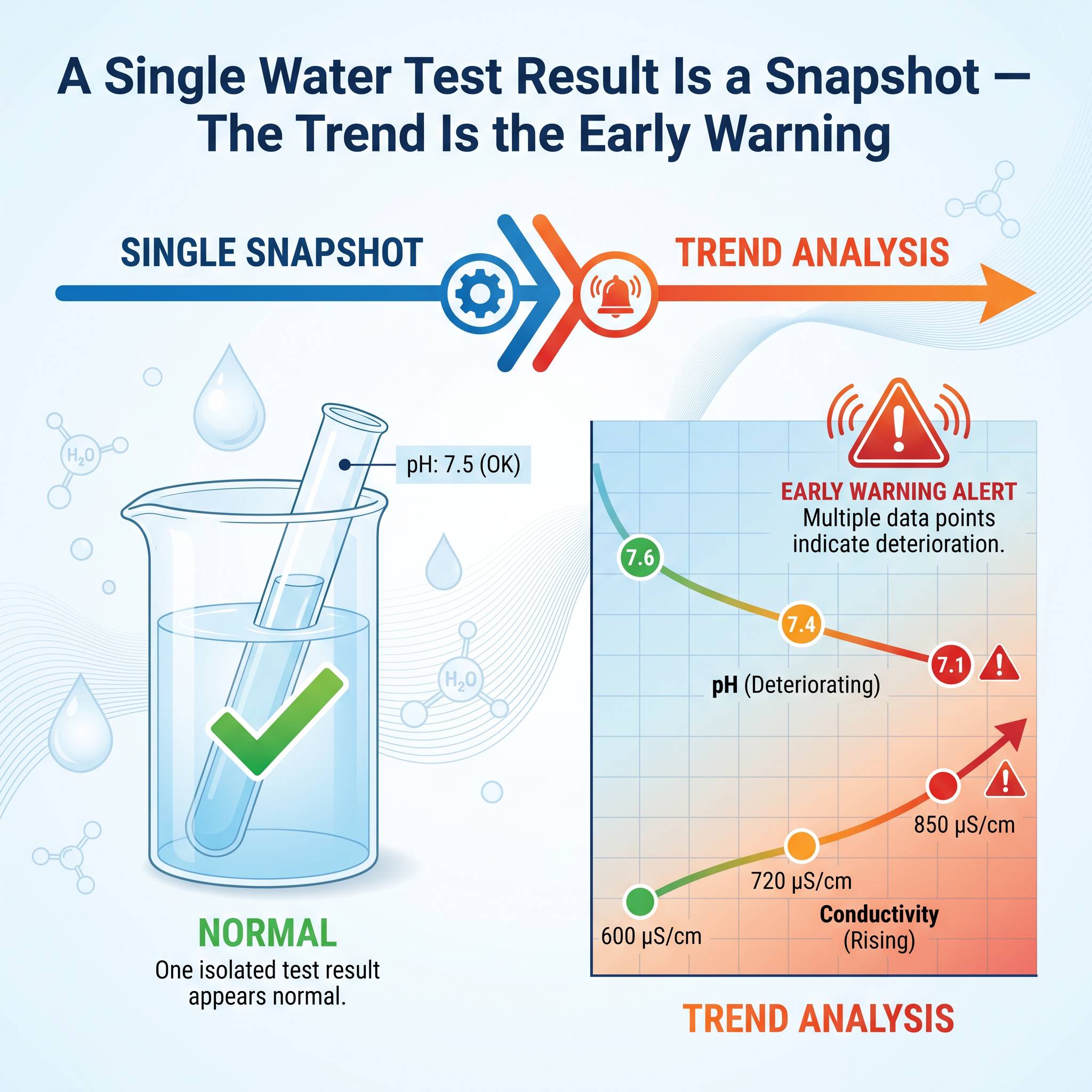
ü Trend analysis: Establish COD time-series trends at key process units (influent, anaerobic/anoxic/aerobic stages, effluent), combined with flow, pH, and dissolved oxygen data.
ü Characteristic profiling: For stable plants, define normal COD ranges and inter-stage ratios. Deviations trigger early warnings and root-cause analysis.
9. Lack of Preventive Maintenance for Instruments and Equipment
Common mistakes:
Failure to clean digestion blocks; dirty or scratched cuvettes; unnoticed decline in cooling efficiency.
Engineering impact analysis:
Gradual equipment degradation is a hidden cause of long-term data drift and reduced reproducibility. For example, fouling in digestion wells reduces heat transfer, leading to insufficient actual digestion temperature.
Engineering mitigation strategies:
ü SOP implementation: Develop and enforce detailed operating and maintenance procedures for digestion units, photometers, and pipettes.
ü Preventive maintenance plans:
1.Digestion instruments: Regularly clean heating wells; inspect cap seals and pressure resistance.
2.Photometers water quality analyzers: Clean cuvettes with appropriate solutions; periodically check lamp intensity and detector performance.
3.Cooling systems: Ensure efficient cooling after digestion.
ü Performance records: Maintain maintenance and performance logs documenting all calibrations, servicing, and faults.
Conclusion
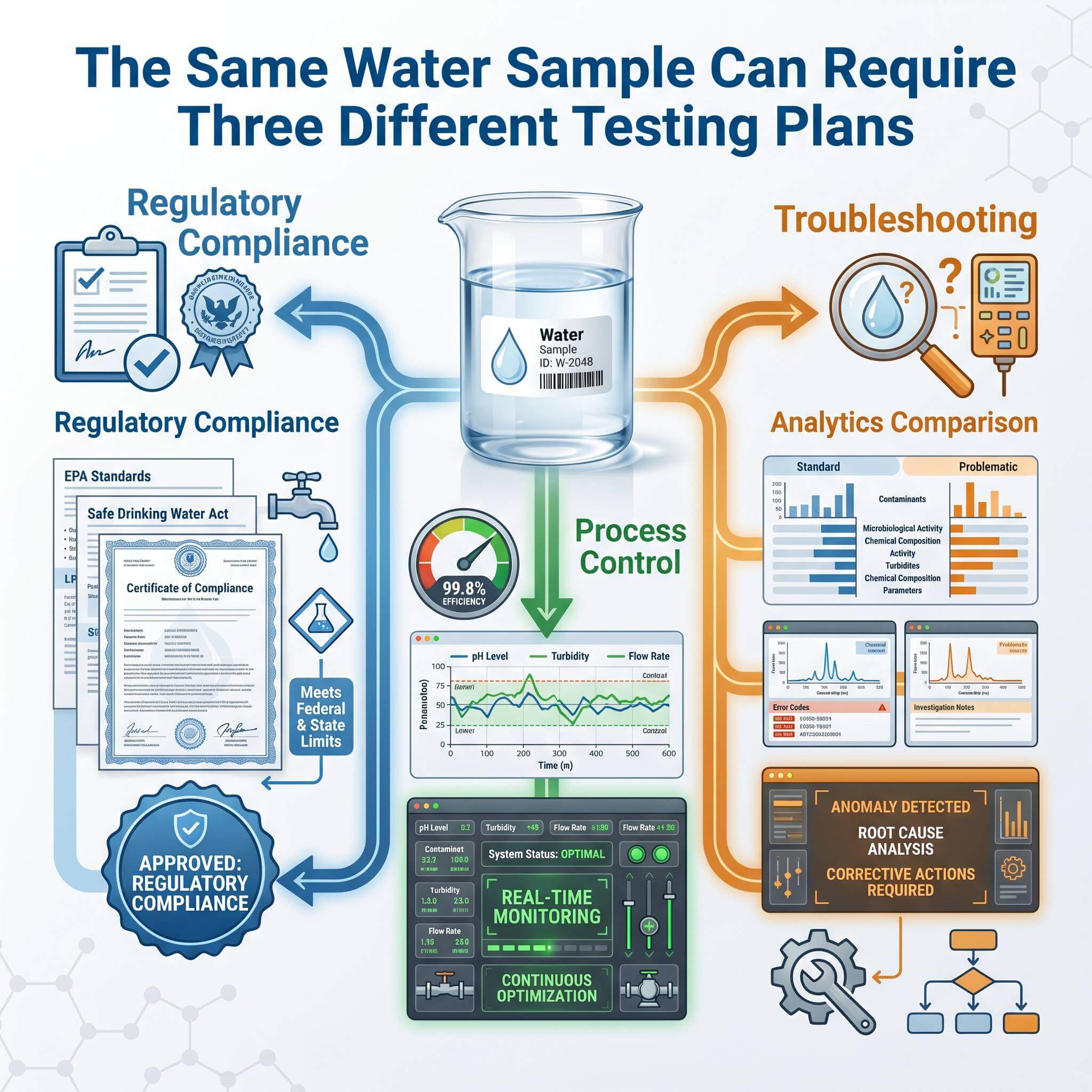
From an operational standpoint, COD should be interpreted as a process indicator rather than an isolated compliance number. Trend analysis and contextual evaluation are essential for meaningful decision-making. To ensure accurate COD measurement, every step from sampling to report generation must be carefully controlled. In practice, most inaccurate COD results stem from operational and management issues rather than flaws in the analytical method itself.
If we systematically implement the following measures: proper sample collection and preservation, strict control of the digestion process, correct handling of interferences, establishment of a comprehensive quality control system, and interpretation of data in the context of actual process conditions, then the COD results obtained will be highly reliable.
In this way, COD becomes more than just a numerical test result. It evolves into a powerful tool for process optimization, compliance assurance, and refined operational management. Accurate and reliable COD data function like both the “steering wheel” and the “health report” of a wastewater treatment plant, guiding stable operation while demonstrating the system’s overall condition and performance.
Recommend water quality testing instruments for COD: